Acupuncture Points
Acupuncture is an ancient practice that originates from Traditional Chinese Medicine. It involves **inserting thin needles** into specific areas of the body known as acupuncture points. These points are believed to be connected to pathways of energy, or “Qi,” which can influence physical and mental well-being.
The concept is that by stimulating these acupuncture points, you can restore balance and promote healing. Each point has a unique function and is associated with different organs or systems in the body, making it crucial to understand their locations and purposes.
Key Acupuncture Points
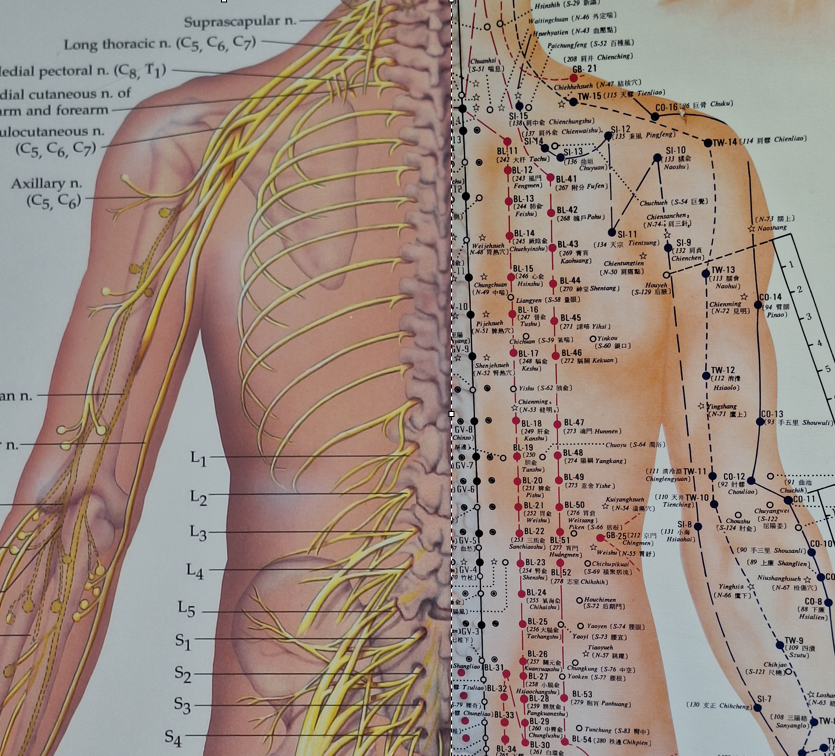
- LI4 (Hegu): Located on the hand, it's often used for headaches and stress relief.
- ST36 (Zusanli): Found on the leg, this point helps with digestion and boosts energy.
- PC6 (Neiguan): Situated on the inner forearm, it’s effective for nausea and anxiety.
Each point works differently, which is why acupuncturists often tailor treatments based on individual needs. When you visit a practitioner, they will discuss which points will be most beneficial for your specific concerns.
The Benefits of Acupuncture Points
Acupuncture has been used for centuries to treat various ailments. The benefits of stimulating acupuncture points can be numerous. Here are some of the common benefits:
- Pain relief: Many people seek acupuncture for chronic pain.
- Stress reduction: It can help calm the mind and relieve anxiety.
- Improved sleep: Certain points may promote better sleep patterns.
By accessing these acupuncture points, individuals may experience not only physical healing but also emotional balance. It’s fascinating how these tiny needles can lead to such significant improvements!
How to Locate Acupuncture Points
Locating acupuncture points can be straightforward with the right guidance. Many practitioners will use diagrams and charts to show the exact locations. For those curious enough to explore on their own, here are some tips:
- Study diagrams of the body's meridians and points.
- Practice finding the points on yourself or a friend for better understanding.
- Seek guidance from a licensed acupuncturist to learn proper techniques.
Remember, while it’s great to learn about these points, proper **training is essential** to avoid injury. Always consult with a professional before attempting self-acupuncture.
Common Misconceptions
Despite its long history, many myths surround acupuncture and its points. One common misconception is that acupuncture is only about sticking needles into the body. In reality, it’s a holistic approach that considers the body as a whole.
Another myth is that acupuncture is painful. Most people find that the sensation of the needles is quite minimal. In fact, many describe it as a soothing experience, often leading to deep relaxation.
Preparing for Your First Session
If you're considering acupuncture, preparation is key! Here are some steps to help you get ready for your first session:
- Research and choose a licensed acupuncturist.
- Communicate your health concerns clearly.
- Dress comfortably, as you may need to expose certain areas.
Being well-prepared can enhance your experience and help you feel more at ease during the process. You might even discover that you enjoy this ancient healing practice!
FAQs about Acupuncture Points
1. What are acupuncture points?
Acupuncture points are specific areas on the body where thin needles are inserted to stimulate energy pathways known as "Qi," influencing physical and mental well-being.
2. How many acupuncture points are there?
There are thousands of acupuncture points across the body, each associated with different organs and systems, offering distinct benefits.
3. What are some key acupuncture points and their benefits?
Key acupuncture points include LI4 (Hegu) for headaches and stress relief, ST36 (Zusanli) for digestion and energy boost, and PC6 (Neiguan) for nausea and anxiety.
4. What are the benefits of acupuncture?
Common benefits of acupuncture include pain relief, stress reduction, and improved sleep patterns, contributing to both physical healing and emotional balance.
5. How can I locate acupuncture points?
Acupuncture points can be located using diagrams and charts, practicing on yourself or a friend, or by seeking guidance from a licensed acupuncturist.
6. Is acupuncture painful?
No, most people find the sensation of acupuncture needles minimal, often describing the experience as soothing and leading to deep relaxation.
7. How should I prepare for my first acupuncture session?
To prepare for your first session, research and choose a licensed acupuncturist, clearly communicate your health concerns, and dress comfortably for treatment.
Follow Us
Tumblr | Weebly | Twitter | Gravatar | Disqus | Youtube | About.Me | Google Sites
Comments
Post a Comment